Horror has become one of the fastest-growing content niches on TikTok and YouTube Shorts, with horror story videos routinely crossing 10 million views and top creators building audiences of millions in under a year. The format is perfectly suited to short-form vertical video: atmospheric visuals, eerie narration, and stories that build tension in 60 seconds or less. AI video tools have made this niche accessible to anyone with a good story idea, removing the need for film crews, actors, or expensive editing software. Whether you want to retell urban legends, create original psychological horror, or build a creepypasta-style channel, this guide covers the techniques, tools, and strategies that separate viral horror content from forgettable attempts.
Why Horror Dominates Short-Form Video
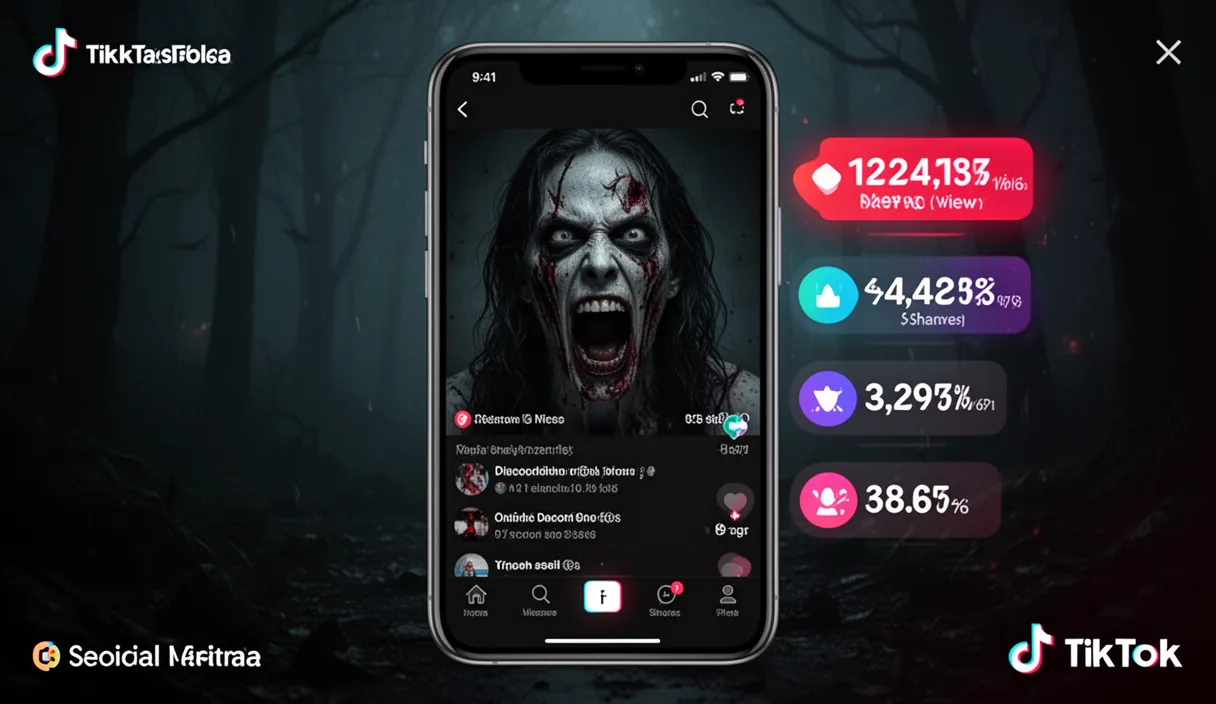
Horror content exploits the core mechanics of short-form platforms in ways few other genres can match. The tension-release cycle of a horror story naturally hooks viewers within the first two seconds and holds attention through the entire video, which is exactly what TikTok and YouTube Shorts algorithms reward. Completion rate is the most important ranking signal on both platforms, and horror stories have among the highest completion rates of any content type because viewers need to see the ending. Horror also drives massive engagement through comments, shares, and stitches, as viewers tag friends, debate theories, and request follow-ups. The niche has proven remarkably resilient to content saturation because the supply of scary stories, urban legends, and original horror concepts is essentially infinite.
Writing Effective Horror Prompts for AI Video
The quality of your horror video depends almost entirely on the quality of your prompt, because AI generates visuals and narration based on the atmosphere and detail you provide. Start every prompt with a specific setting that establishes mood: 'an abandoned hospital corridor lit only by flickering fluorescent lights' is far more effective than 'a scary place.' Build tension through pacing by structuring your story with a slow reveal rather than an immediate scare. Include sensory details the AI can translate into visuals, such as fog, shadows, reflections, and dim lighting. The most viral horror formats use twist endings that recontextualize the entire story, so write your prompt with the ending in mind first and work backward. Avoid gore or extreme content, which platforms suppress. Psychological horror and atmospheric dread consistently outperform shock content in both views and engagement.
Prompt techniques
- Set a specific, atmospheric location with lighting and weather details
- Build tension through a three-act structure: normalcy, unease, reveal
- Include a twist ending that reframes the whole story
- Use sensory details: sounds, shadows, temperature, textures
- Keep the monster or threat partially hidden for maximum suspense
Using FrameSurfer's Horror Story Tool
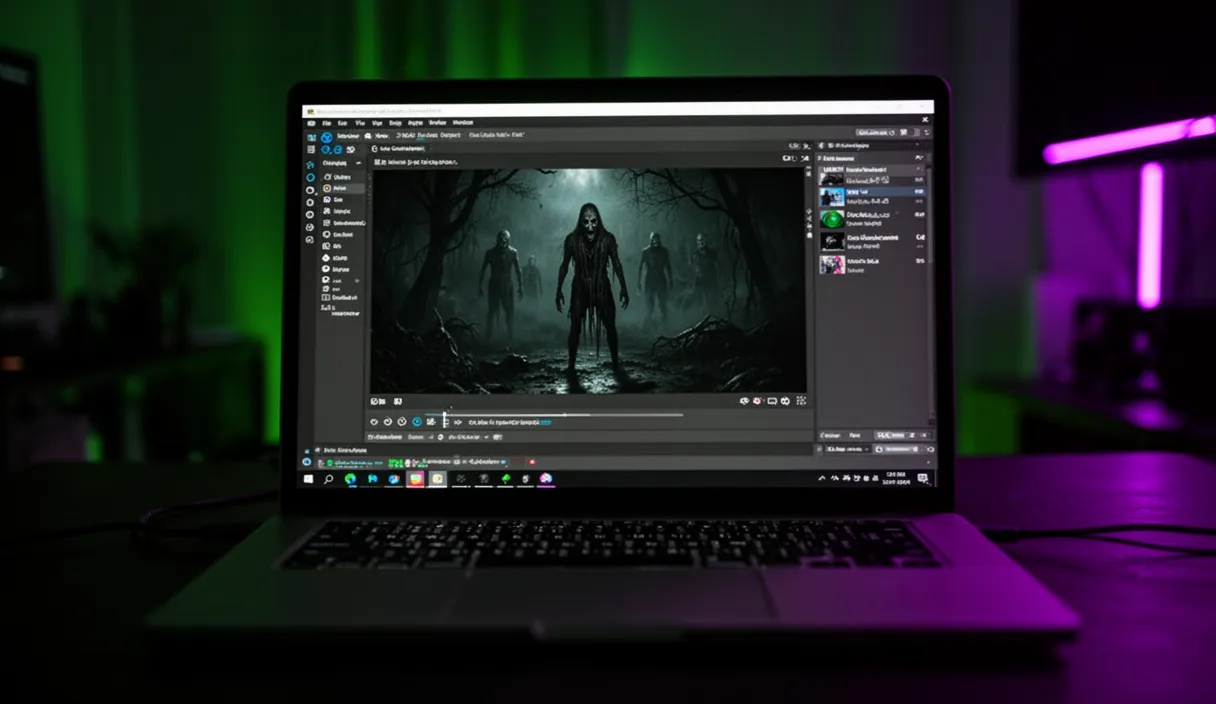
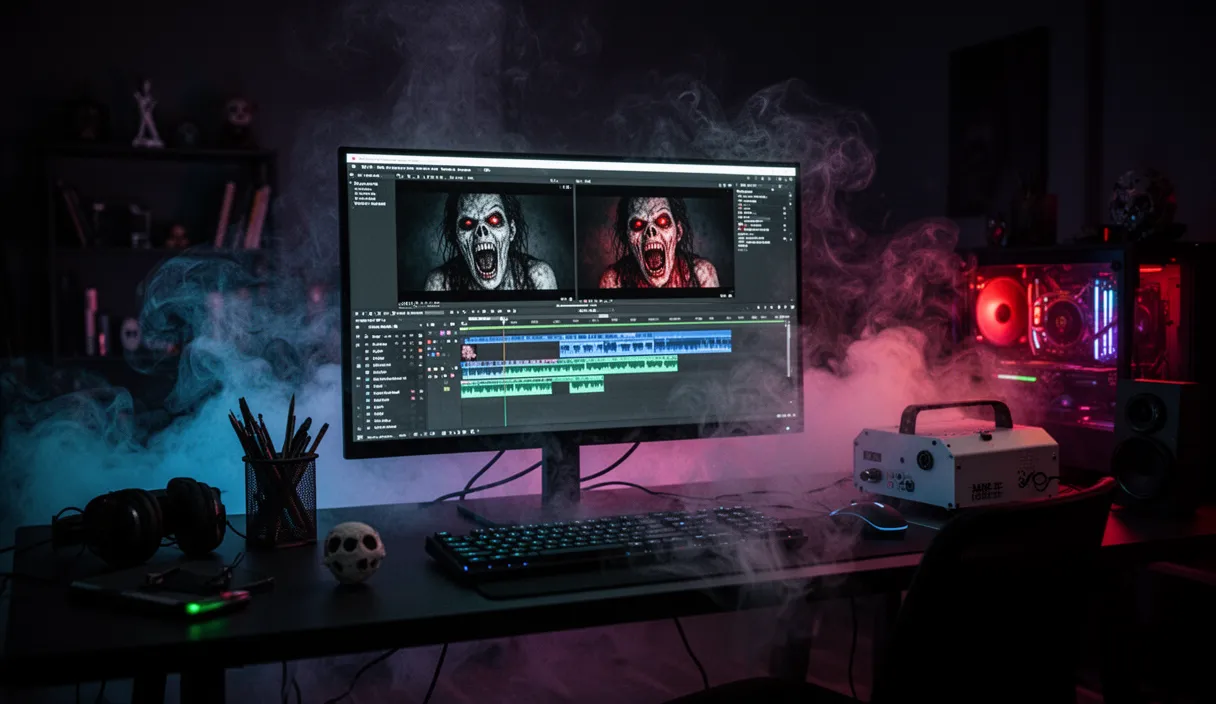
FrameSurfer's horror story tool is purpose-built for this content format. Enter your horror concept or choose from popular subgenres like urban legend, psychological thriller, or supernatural encounter. The AI generates a complete short horror narrative with scene-by-scene visuals that match the dark, atmospheric tone the genre demands. Narration is produced in a voice suited to horror storytelling with measured pacing and tension-building delivery. The tool generates eerie background music and sound design automatically, which is critical because audio atmosphere accounts for roughly half of the scare factor in horror video. After generation, use the editor to fine-tune pacing, adjust the intensity of visual effects, or add text overlays for key moments. Export in 9:16 vertical format optimized for TikTok and YouTube Shorts.
Viral Horror Formats That Consistently Perform
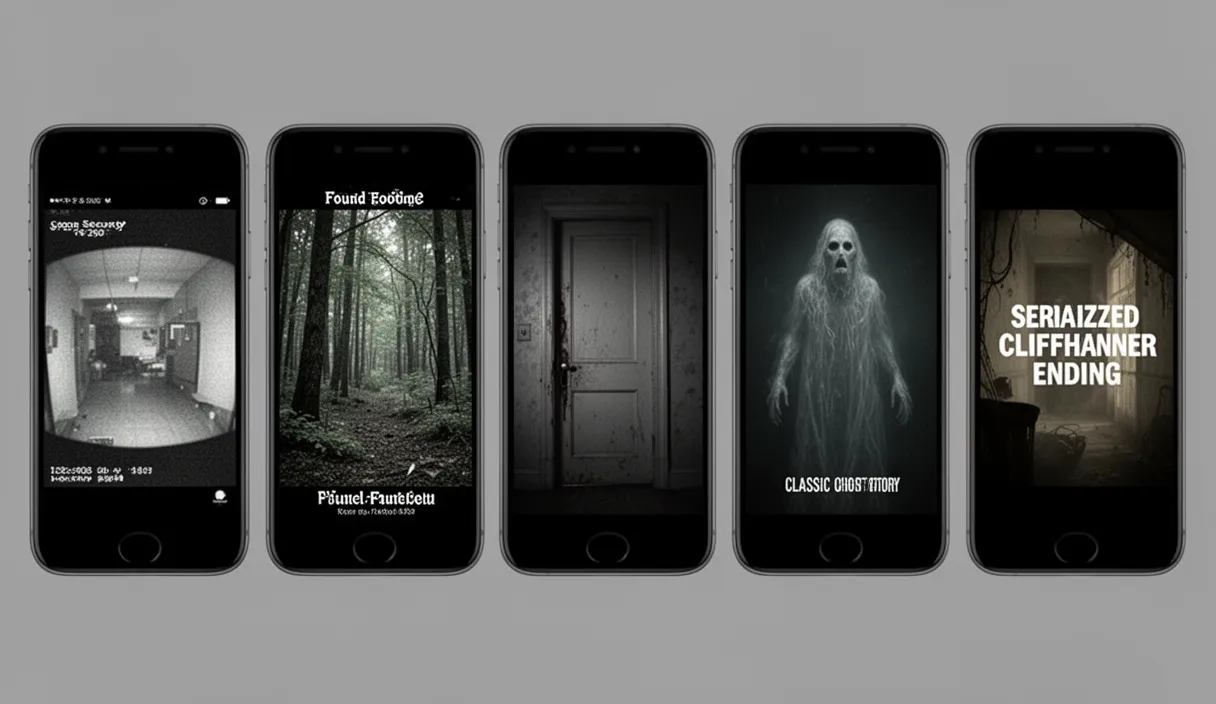
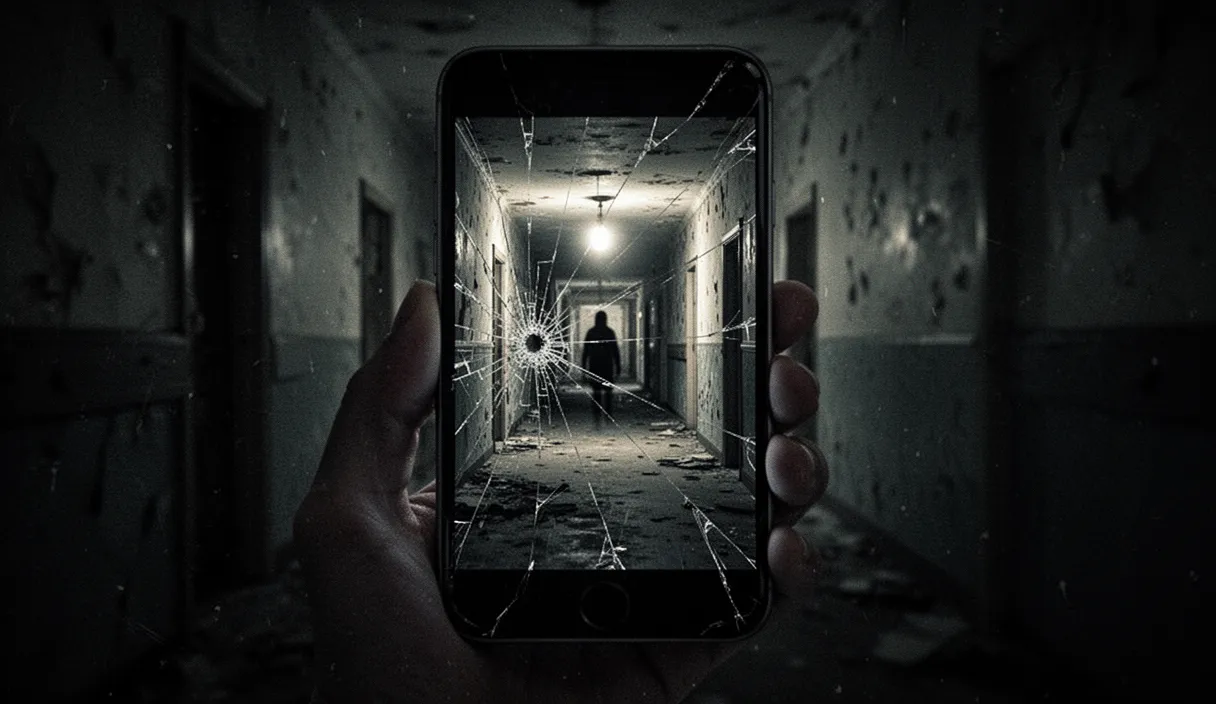
Certain horror formats have proven track records on short-form platforms. Urban legend retellings take familiar stories like The Vanishing Hitchhiker or Bloody Mary and present them with fresh AI-generated visuals, consistently earning high engagement because viewers already have emotional investment in the story. Creepypasta-style original fiction, presented as first-person accounts with a 'this happened to me' framing, drives intense comment section discussion. Found footage aesthetic videos, designed to look like recovered security camera or phone footage, exploit the platform's native visual language to blur the line between fiction and reality. Psychological horror that relies on building dread rather than jump scares tends to earn the highest share rates because viewers want to see if their friends will be as unsettled as they were. Series formats, where each video ends on a cliffhanger leading to the next episode, are the most effective for building a subscriber base.
Formats
| Format | Description | Typical performance |
|---|---|---|
| Urban Legend Retellings | Classic scary stories with fresh AI visuals and narration | High view counts from built-in audience familiarity |
| Creepypasta Original Fiction | First-person horror stories presented as real accounts | Strong comment engagement and debate |
| Found Footage Aesthetic | Videos styled as recovered recordings or security footage | High shares due to realistic presentation |
| Psychological Horror | Atmospheric dread and slow-building tension without jump scares | Highest share rates and rewatchability |
| Serialized Horror | Multi-part stories with cliffhanger endings | Best for subscriber growth and channel loyalty |
Growing and Monetizing a Horror Channel
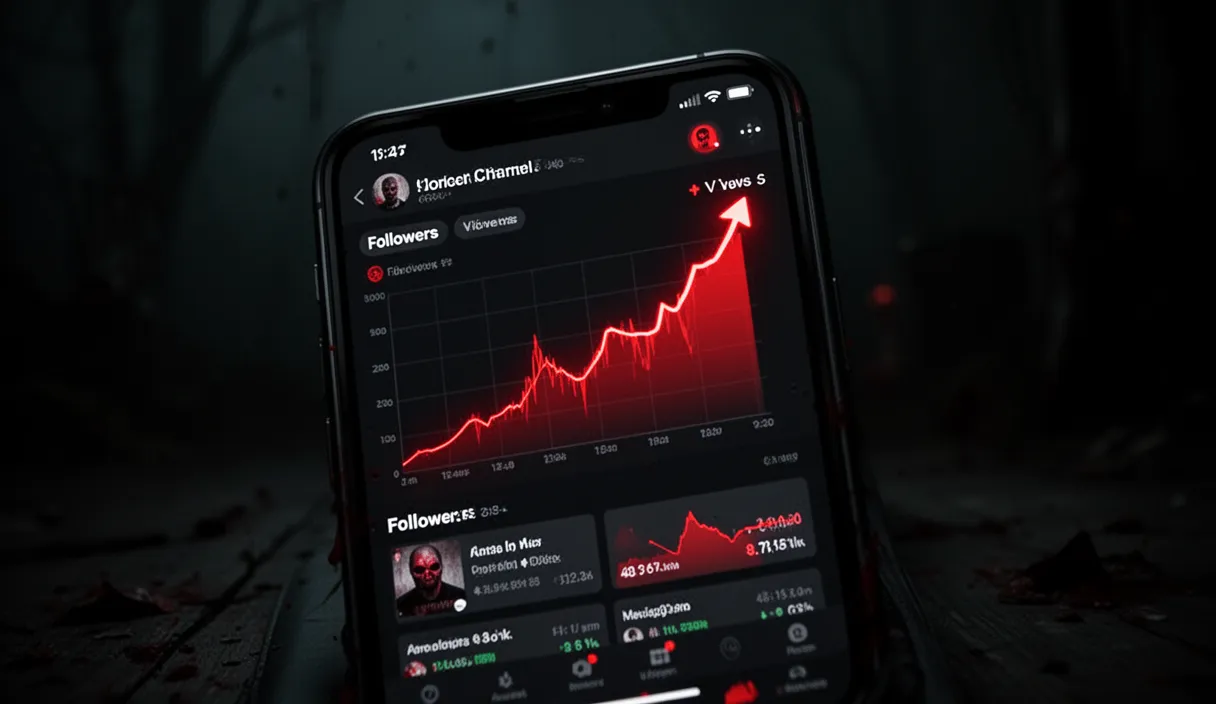
Consistency is the single most important factor for growing a horror channel on short-form platforms. Posting daily or at minimum five times per week during your first three months gives the algorithm enough data to identify and serve your content to horror fans. Post during evening hours between 7 PM and 11 PM in your target timezone, as horror content performs significantly better after dark. Use hashtags strategically: combine broad tags like horror and scary with niche-specific tags like urbanlegend, creepypasta, or horrorstory. Monetization paths include the TikTok Creator Fund and YouTube Shorts revenue sharing, but the most profitable horror creators diversify into merchandise, Patreon memberships for exclusive extended stories, and licensing their most popular stories to podcast networks and anthology series. Channels with 100,000 or more followers typically earn between $2,000 and $15,000 per month across all revenue streams.
Conclusion
Horror is one of the most rewarding niches in short-form video for creators willing to invest in strong storytelling and consistent output. AI tools have democratized production quality, meaning the competitive advantage now lies in your ability to write compelling horror concepts and maintain a publishing schedule. The audience for horror content continues to grow across every platform, and creators who establish themselves now are building channels with real long-term value.
Frequently Asked Questions
Will TikTok or YouTube restrict horror content?
Both platforms allow horror content as long as it avoids graphic violence, gore, self-harm, or content that targets minors. Atmospheric and psychological horror performs best and faces no restrictions. Avoid realistic depictions of extreme violence or content that could be mistaken for real dangerous situations. Fictional horror stories with narration and illustrated or AI-generated visuals are fully permitted.
What makes a horror video go viral on TikTok?
The three strongest predictors of viral horror content are a hook that creates unease in the first two seconds, a story structure that maintains tension throughout, and a twist ending that compels viewers to share and rewatch. High completion rates signal the algorithm to push the video to larger audiences. Comments and shares further amplify reach.
Do I need to show my face for a horror channel?
No. The vast majority of successful horror channels on TikTok and YouTube Shorts are faceless, using narration over atmospheric visuals. This format is actually preferred by audiences in the horror niche because it places full focus on the story and imagery rather than a creator's personality. AI tools like FrameSurfer generate all the visual and audio content you need.
How long should a horror short video be?
For TikTok, 45 to 90 seconds is the optimal range for horror stories. Shorter videos under 30 seconds rarely build enough tension. For YouTube Shorts, you can push to 60 seconds maximum. If your story requires more time, split it into a two or three part series, which also benefits your channel by driving viewers to watch multiple videos.
Can I use real urban legends and creepypasta stories?
Traditional urban legends and folklore are in the public domain and free to retell. Most creepypasta stories are published under Creative Commons licenses on community wikis, but always verify the specific license before using them. For the safest approach, use classic urban legends as inspiration and write original variations with your own twists.