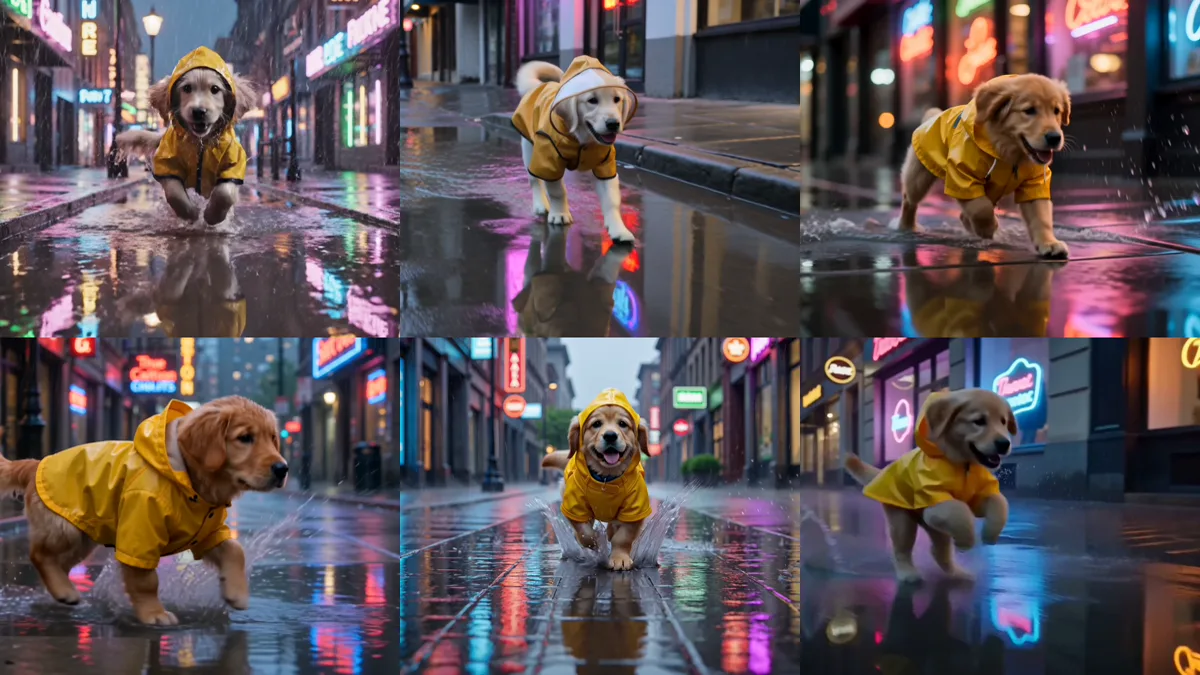
Yes, AI-generated videos can be monetized on YouTube, including Shorts, but only when the final video is original, useful, and compliant with YouTube's broader monetization rules. The tool isn't the issue. The key question is whether your video looks like authentic creator work or like mass-produced filler.
That's the situation many creators are in right now. You want to use AI to move faster, publish more often, or run a faceless channel without filming everything yourself. That's reasonable. The mistake is treating AI as a shortcut past YouTube's originality standards when YouTube is clearly moving toward stricter enforcement.
If you're asking are ai generated videos allowed for youtube monetization, the practical answer is yes, with conditions that matter a lot in real production. You can use AI for scripting, visuals, narration, editing, and Shorts workflows. But monetization still depends on whether you add real human value. If you're also thinking about the business side of AI video, this guide on how creators make money with AI videos is a useful companion.
Answering the AI Monetization Question Directly
YouTube does allow AI-generated videos to be monetized. What matters is not whether AI touched the workflow. What matters is whether the finished video is original enough, useful enough, and clearly different from repetitive, low-effort, or misleading content.
That distinction matters because a lot of creators still think YouTube has an “AI ban” or an “AI approval” policy. It doesn't work that way. YouTube has been tightening enforcement through the rules it already uses to judge quality, authenticity, and viewer value.
If you make Shorts or faceless videos, the safest mindset is simple. Use AI as a production tool, not as a substitute for creativity, judgment, or editing. A strong AI-assisted video usually starts with an original idea, then gets shaped through script choices, scene selection, timing, narration, captions, and final review.
Practical rule: If a human creator couldn't explain what value they personally added to the video, the channel is getting too close to the danger zone.
Creators who approach AI this way usually make better videos anyway. Their content feels more intentional, more watchable, and more brandable. That's the standard you want to build around.
Understanding YouTube's Core Monetization Rules for AI
YouTube's position is clearer than many creators think. AI videos are allowed, but monetization depends on compliance with YouTube's core quality rules, not on a separate AI exception.
According to YouTube's official update, on July 15, 2025, YouTube will rename its long-standing “repetitious content” policy to “inauthentic content,” while clarifying that repetitive or mass-produced videos have always been ineligible for monetization under the YouTube Partner Program (YouTube's responsible AI policy update). That's the most important policy signal for AI creators.

What YouTube actually cares about
When I audit AI-assisted channels, I don't start by asking what tool they used. I look for the signals YouTube is likely to care about:
- Originality: Is the script fresh, or is it just reworded material from other videos or articles?
- Viewer value: Does the video teach, explain, entertain, compare, or comment in a way that feels deliberate?
- Non-spam behavior: Is the channel posting variations of the same template over and over?
- Low repetition: Do the videos feel interchangeable, or does each one have a distinct purpose?
- Truthfulness: Could the synthetic media confuse viewers about what's real?
- Copyright respect: Are the music, visuals, clips, and ideas used appropriately?
That framework gives creators a better operating model than “Can I use AI voice?” or “Can I use AI images?” Those are the wrong questions. The right question is whether the final product looks like creator-led work.
What “not monetizable” tends to look like
YouTube's monetization guidance makes the line more concrete. Content that copies other sources without substantive modification, songs changed only in speed or pitch, image slideshows or scrolling text with little or no narrative, and mass-produced template videos are not eligible for monetization under its monetization rules (YouTube monetization guidance on inauthentic content).
A useful way to think about it is this short table:
| Video pattern | Likely monetization outlook |
|---|---|
| Original script plus commentary and edited visuals | Stronger |
| Educational explainer with AI visuals and real narration choices | Stronger |
| Templated listicles with the same pacing and structure every time | Weaker |
| Text slideshow with background music and no meaningful narrative | Weaker |
| Re-uploaded clips with an AI voice layered on top | High risk |
If you make niche content such as legends, explainers, or history Shorts, this breakdown of how to make AI mythology videos for YouTube shows the kind of topic-specific transformation that can create more original output.
The policy shift is about enforcement
The policy direction tells creators something important. YouTube isn't punishing AI because it's AI. YouTube is filtering out content that feels industrial, duplicated, or empty.
That's good news for serious creators. If your process uses AI to speed up ideation, generate visuals, or draft a first cut, but you still shape the final story with editorial intent, you're working in the safer lane.
Common Pitfalls That Get AI Channels Demonetized
The most common monetization failures aren't complicated. Creators usually run into trouble when they push automation too far and stop adding judgment, taste, or original material.

Red flags that make a channel look low effort
Some patterns show up again and again on weak AI channels:
- Mass-produced templates: Same structure, same hook style, same voice, same visual rhythm, different topic.
- Copied scripts: Light rewrites of Reddit posts, blog posts, other YouTube videos, or Wikipedia-style summaries.
- Reused footage with minimal change: Stock clips or borrowed clips glued together with almost no editorial transformation.
- Text-first slideshows: Static images, scrolling bullet points, and music doing all the work.
- Robotic narration with no pacing decisions: Even good AI voices can sound lazy if the script and timing aren't edited.
- Bulk publishing with no niche discipline: Channels that look like content farms instead of focused brands.
A reviewer doesn't need to know your workflow to spot these patterns. The videos tell on themselves.
Misleading synthetic media is a separate problem
There's also a compliance issue beyond originality. If AI is used to create a realistic-looking event that never happened, or to make it seem like a real person said or did something they didn't, creators must add a disclosure. Failure to do so can result in content removal, suspension from the YouTube Partner Program, or other penalties (summary of YouTube synthetic media disclosure guidance).
That matters for more than deepfakes. It also affects faceless channels using cloned voices, realistic AI presenters, fake interviews, or dramatized scenes that look like documentary footage.
If your AI content could reasonably be mistaken for real footage or a real person's actual words, disclose it clearly.
Copyright problems still count
AI doesn't protect you from copyright mistakes. If you use music you don't have rights to, visual material you didn't create or license properly, or scripts too close to another creator's work, you can still lose monetization or face other enforcement.
That's one reason I'm skeptical of fully automated “rip and replace” workflows. A creator scrapes a topic, swaps in an AI voice, adds random imagery, and assumes the result is original. It usually isn't.
If your workflow depends on clipping existing videos, this guide on how to take clips from YouTube videos is worth reading before you build around repurposed material.
A Framework for Creating Monetizable AI Videos
The hardest question isn't whether AI is allowed. It's what original enough looks like when AI helped make most of the draft.

The most useful standard I've found is this one: your video should show clear signs of human transformation at the idea level, script level, edit level, and publishing level. That aligns with creator-facing coverage noting that monetization depends on original, valuable, and non-repetitive content, with stronger outcomes tied to unique scripting, creative sequencing, original commentary, and significant editing (analysis of what counts as original enough for AI-assisted videos).
What human value looks like in practice
A monetizable AI-assisted video usually includes several of these elements:
- Original scripting: Not just a prompt dump. A real hook, angle, structure, and payoff.
- Distinct narration choices: Even if the voice is synthetic, the delivery should match the content and feel intentional.
- Creative sequencing: Scenes should build meaning, not just fill time.
- Commentary or interpretation: The video should add a point of view, not just restate facts.
- Editing judgment: Better cuts, pauses, visual emphasis, and pacing all signal creator involvement.
- Audience fit: A focused niche helps each upload feel like part of a channel strategy instead of random volume.
The channels that do this well rarely feel “AI generated” in the negative sense. They feel produced.
A simple test for originality
Ask these questions before you publish:
| Question | Strong answer | Weak answer |
|---|---|---|
| Did I add a unique angle? | Yes, the framing is mine | No, it's generic summary content |
| Would this still work without my edit decisions? | No, the edit adds meaning | Yes, any template could replace it |
| Is the narration doing real storytelling? | Yes | Not really |
| Does this resemble several videos on my channel too closely? | No | Yes |
“Use AI for speed, then use human review for taste.”
That one habit fixes a lot of compliance problems.
Faceless videos can be strong when they feel authored
Faceless doesn't mean low effort. Some of the best AI-assisted channels are faceless because the creator's identity comes through in the scripting, visual style, pacing, and topic selection rather than on-camera presence.
That's where details matter. Tight hooks. Smart transitions. Better scene order. On-screen emphasis. Branded formatting. Careful narration. Clean subtitles. If you need a practical guide on adding captions to videos, that resource is useful because captions do more than improve accessibility. They also make Shorts feel more deliberate and easier to follow.
For creators building narration-led content, this resource on script writing for AI video narration is a good reference because script quality often determines whether an AI video feels original or disposable.
How FrameSurfer Streamlines Compliant Content Creation
A lot of AI video tools encourage the wrong habit. They make it easy to generate something fast, then tempt the creator to publish the first draft unchanged. That's where problems start.
FrameSurfer fits better when you treat AI video as an editable production workflow instead of a one-click content factory. It lets a creator start from a prompt, script, blog post, product idea, or story concept and turn that into an editable draft with planned scenes, visuals, narration, captions, music, and social-ready formatting. That setup is useful for Shorts, faceless explainers, story videos, mythology clips, educational content, and other narrator-led formats.
Why that matters for monetization
The compliance benefit isn't “AI makes monetization happen.” It doesn't. The practical benefit is that a creator can move faster through the mechanical parts of production while still controlling the parts YouTube cares about most:
- The idea can start original
- The script can be rewritten before export
- The visuals can be swapped or refined
- The voiceover can be adjusted for tone and pacing
- The final cut can be edited for clarity and audience value
That's a better match for YouTube's standards than a workflow built on bulk-generating nearly identical videos.
Where creators still need to do the work
Even with a strong tool, the creator still has to make real editorial decisions. You still need to check that the script isn't derivative, the scenes aren't misleading, the structure isn't repetitive, and the final video says something worth watching.
That's especially true for Shorts. Short-form video can hide weak originality because the format is brief and fast. But YouTube still evaluates whether the content is repetitive, templated, or empty. If your whole channel feels like one script copied into many wrappers, the tool won't save it.
The good use case is straightforward. Use AI to accelerate the first draft. Then shape the video until it reflects a clear niche, a clear editorial choice, and a clear reason for someone to watch.
A Practical Workflow for Original AI YouTube Shorts
A workable Shorts process should be fast, but not careless. The easiest way to stay on the safe side of monetization rules is to build originality into the workflow instead of trying to fix a generic draft at the end.

Step-by-step Shorts workflow
-
Choose a niche
Pick a category where you can publish consistently with a recognizable point of view. History facts, mystery stories, product explainers, mythology, bedtime stories, motivational clips, and small business education can all work if the framing stays coherent.
-
Write an original hook
Shorts live or die in the opening line. Don't start with a flat topic label. Start with tension, surprise, contrast, or a direct claim that makes someone keep watching.
-
Create a script
Originality starts here. Even a short script should have structure. Hook, development, payoff. If the script sounds like a summary anybody could generate, rewrite it until it sounds like your channel.
-
Generate scenes
Use AI to produce a draft of visual beats based on the script. Then review every scene for relevance and clarity.
-
Add AI visuals
AI-generated visuals can work well for faceless channels, especially in storytelling or explainers. But replace weak scenes. Don't accept filler imagery just because it was fast to generate.
-
Add narration
Whether you record your own voice or use AI narration, adjust pacing, pronunciation, and emphasis. A monotone voice can make even good content feel disposable.
A quick visual walkthrough can help if you're building this process for the first time:
Finish the edit like a creator, not an uploader
The last part is where many channels separate themselves.
-
Add captions
Good captions improve readability, timing, and emphasis. They also make the short feel actively edited instead of auto-exported.
-
Add music
Music should support the pacing, not drown out the narration or fake emotion the script hasn't earned.
-
Refine the draft
Tighten dead space. Fix awkward cuts. Remove repeated phrases. Improve on-screen text. Swap scenes that feel generic.
-
Export and publish
Before uploading, review the title, description, disclosure needs, and thumbnail or first-frame logic. The publishing layer is part of the content strategy, not an afterthought.
What stronger faceless Shorts usually include
Here's the pattern I see in faceless AI Shorts that hold up better:
- Original script first
- Useful storytelling instead of vague filler
- Narration with personality
- Captions that support comprehension
- A consistent niche
- Manual review before every upload
By contrast, weaker Shorts usually have no real hook, generic AI art, interchangeable voiceover, and the same pacing every time.
Your Monetization Compliance Checklist and FAQ
Before publishing any AI-assisted video, run this quick review.
Pre-publish checklist
-
Original script checked
The wording, structure, and angle are yours. -
Real value added
The video teaches, comments, explains, or tells a story in a way that goes beyond template filler. -
Visuals reviewed
Scenes support the script and don't create misleading realism by accident. -
Narration refined
Pronunciation, pacing, and emphasis sound intentional. -
No repetitive channel pattern
This upload doesn't feel like a clone of several others. -
Copyright risks checked
Music, clips, and images are either original, licensed, or safely used. -
Disclosure considered
If realistic synthetic content could mislead viewers, label it. -
Human review completed
Someone watched the final cut like a viewer, not like a generator.
A good final question is simple: “Would this video still feel worth watching if the viewer knew AI helped make it?”
Short FAQ
Do AI Shorts qualify for monetization?
They can, if they meet YouTube's originality and policy standards.
Do I have to disclose all AI use?
Not every AI-assisted step requires public disclosure. The higher-risk case is realistic synthetic media that could mislead viewers about real people or real events.
Can faceless channels get monetized?
Yes. Faceless channels aren't the problem. Low-effort, repetitive, or misleading faceless content is the problem.
What if my channel gets rejected or loses monetization?
Conduct an objective audit of the channel. Look for repetition, weak transformation, reused material, thin narration, and synthetic realism issues. Then improve the content before reapplying or appealing.
Will YouTube keep changing these rules?
Probably. The pattern so far is tighter enforcement around authenticity, disclosure, and originality. Creators should expect standards to keep getting clearer.
If you want to create AI-assisted videos faster without treating AI as a shortcut to low-effort content, try FrameSurfer. It helps turn an original idea, script, or story into an editable video draft for YouTube Shorts, TikTok, and Reels, while leaving the important part where monetization is won or lost in your hands: scripting, editing, judgment, and final review.