Short, clear videos drive discovery and trust. Use simple scenes and captions to explain outcomes and next steps.
How to Market Online Courses with Video: 5 Proven Strategies
•12 minutes
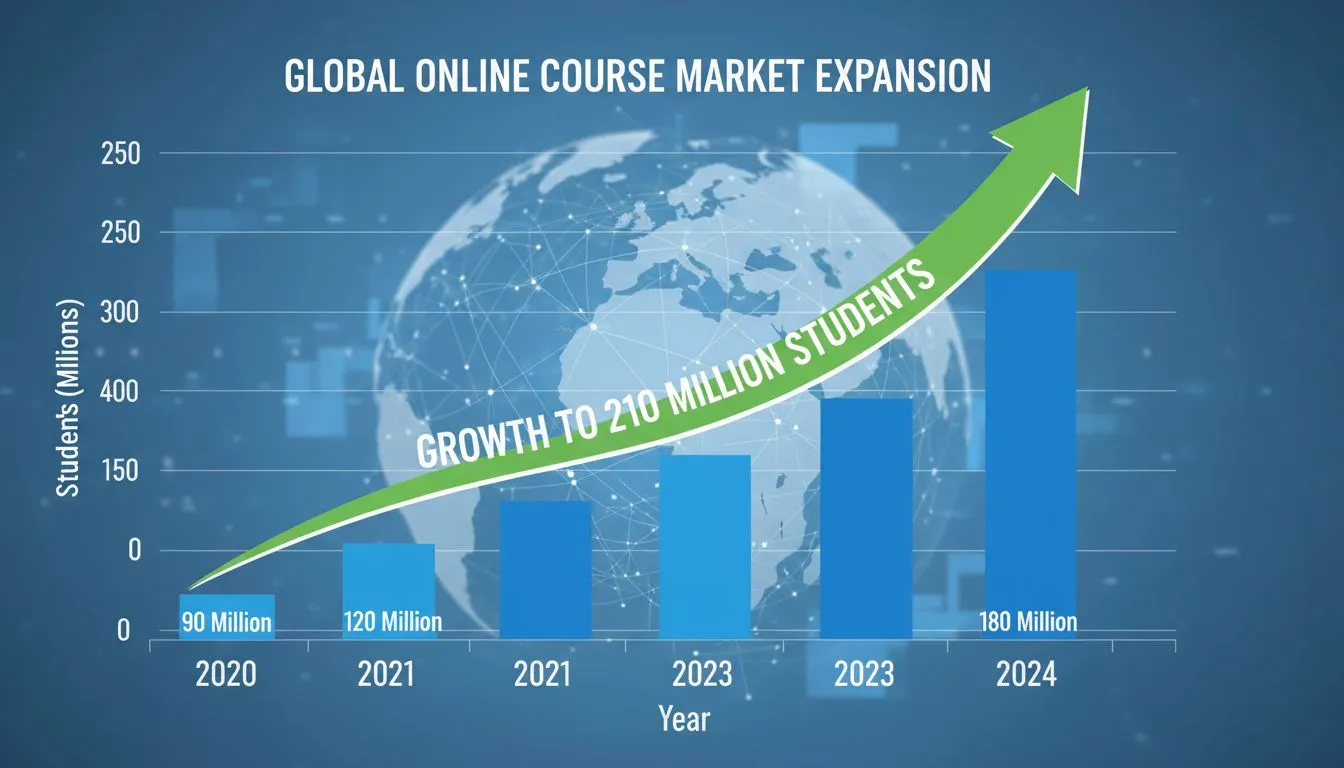
With 210 million people taking online courses globally, the e-learning market has exploded—but so has competition. Simply creating a great course isn't enough anymore. You need strategic marketing that cuts through the noise and connects with your ideal students. These 17 proven strategies have helped course creators go from zero to six-figure launches, building sustainable education businesses that impact thousands of learners worldwide.
The Current Course Marketing Landscape
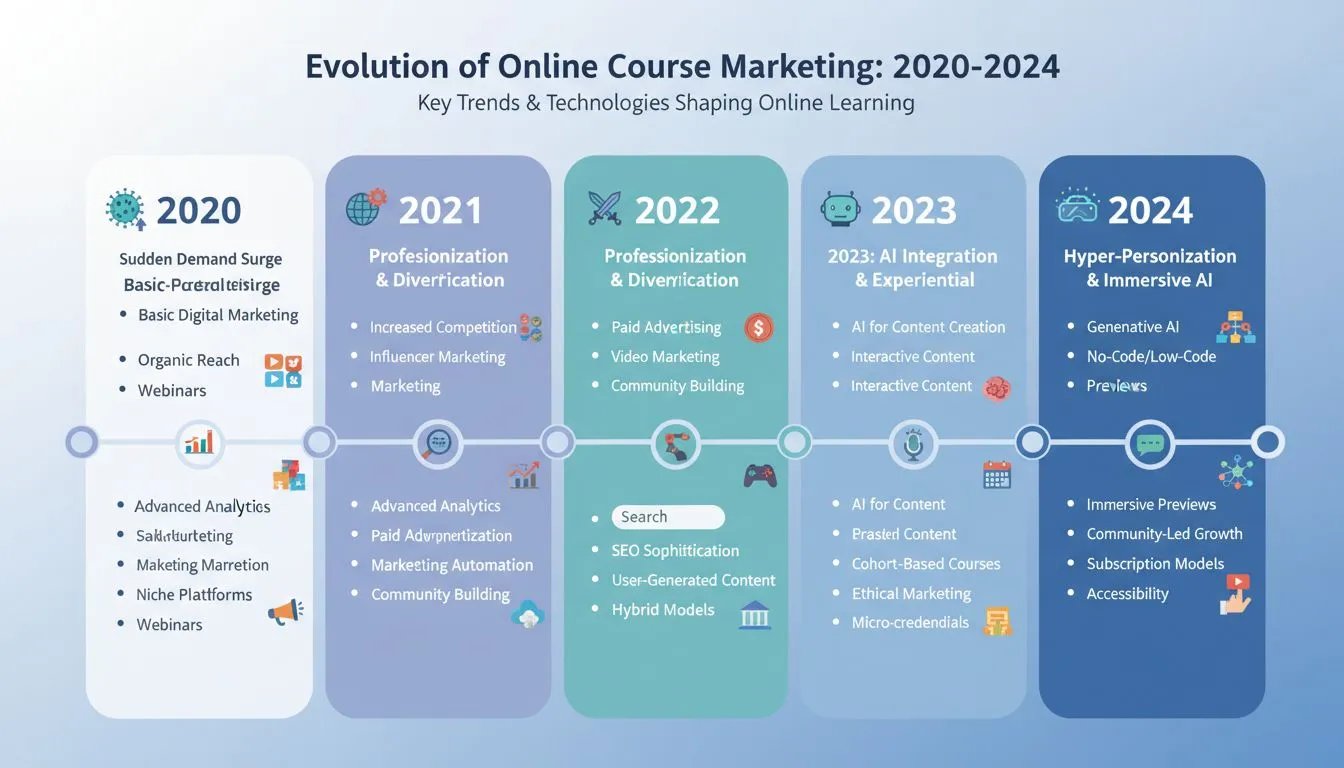
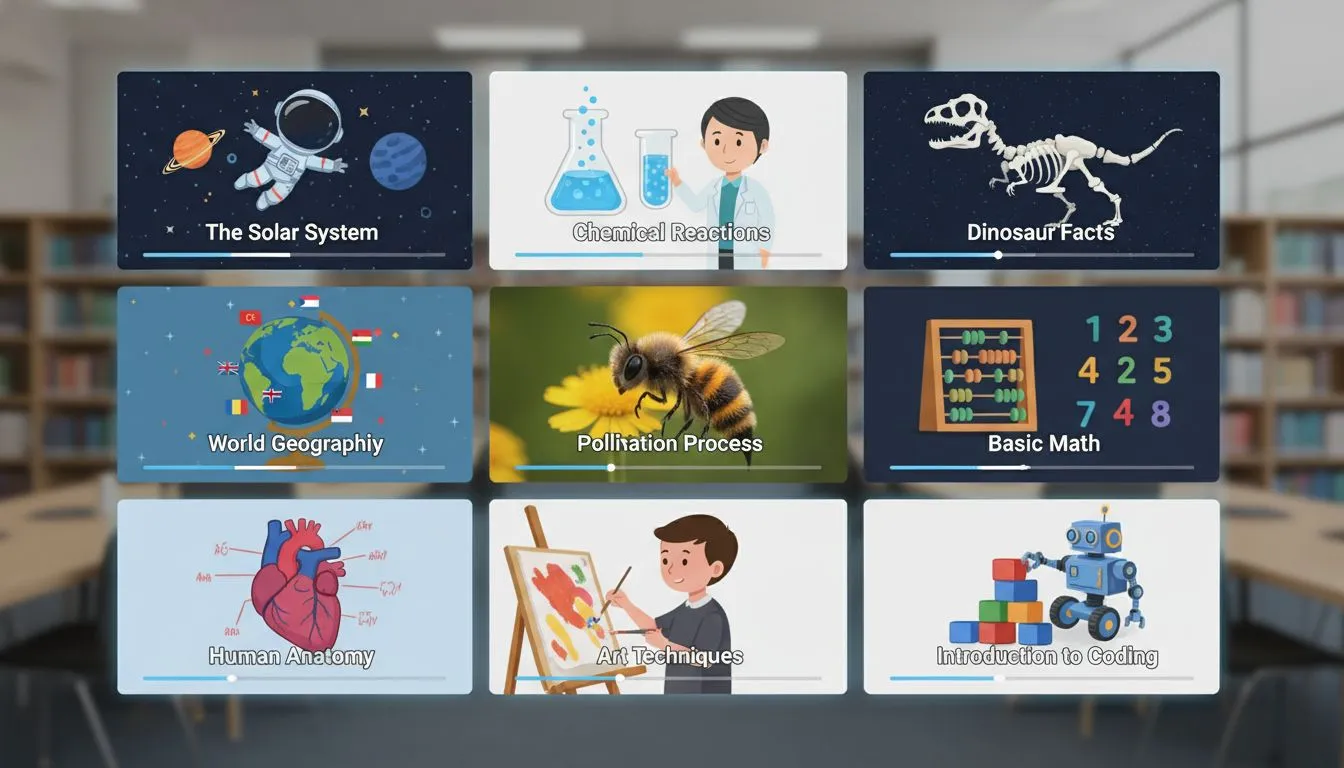
- •Keep videos short and benefit-first
- •Use consistent formats you can repeat
- •Show transformation or quick wins
Course Marketing Strategies You Can Implement Now
Pick one tactic, create a repeatable format in Framesurfer, and publish consistently.
1
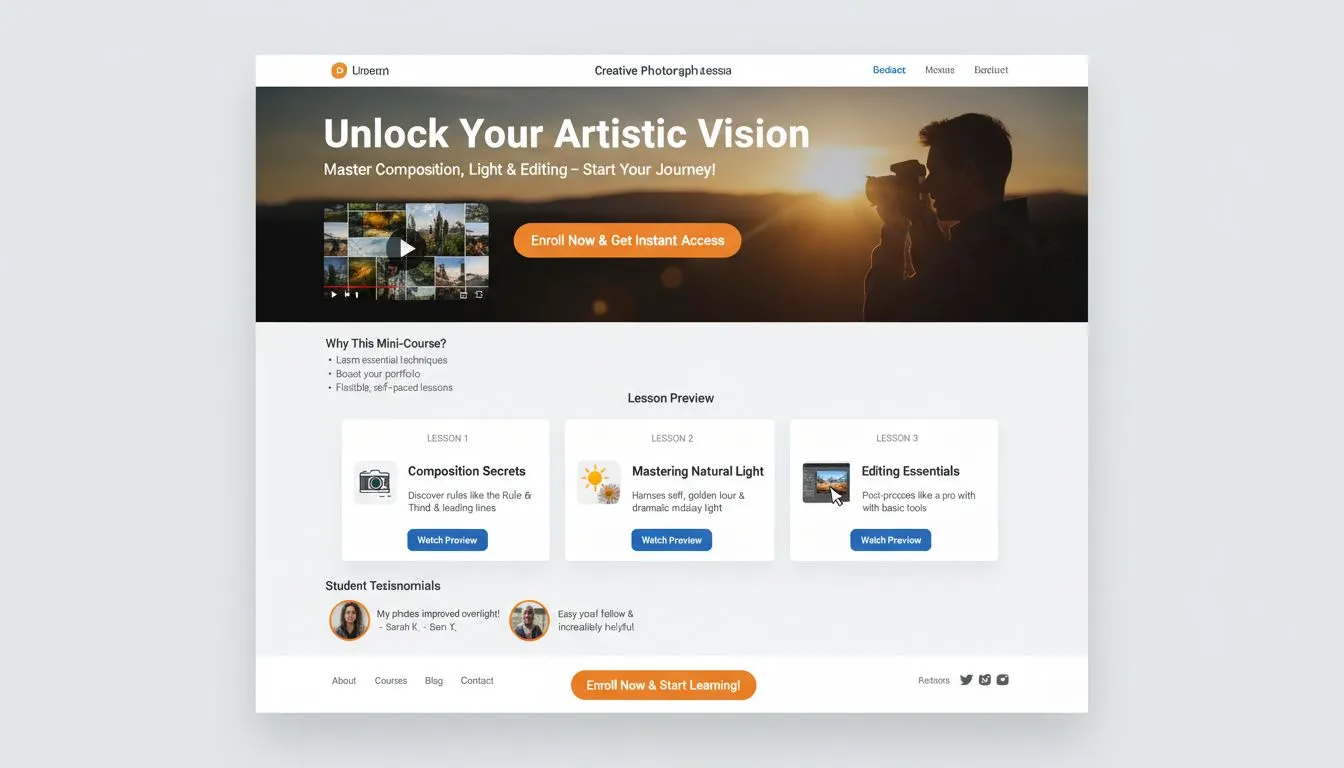
The Free Mini-Course Funnel
Create a 3-5 lesson mini-version of your main course. Give massive value, then naturally lead to your full program.
Use Framesurfer to create professional mini-course videos in hours, not weeks
Success Rate:
2
Student Success Story Engine
Systematically collect and share transformation stories from your students.
Create template-based testimonial videos with AI tools
Success Rate:

3
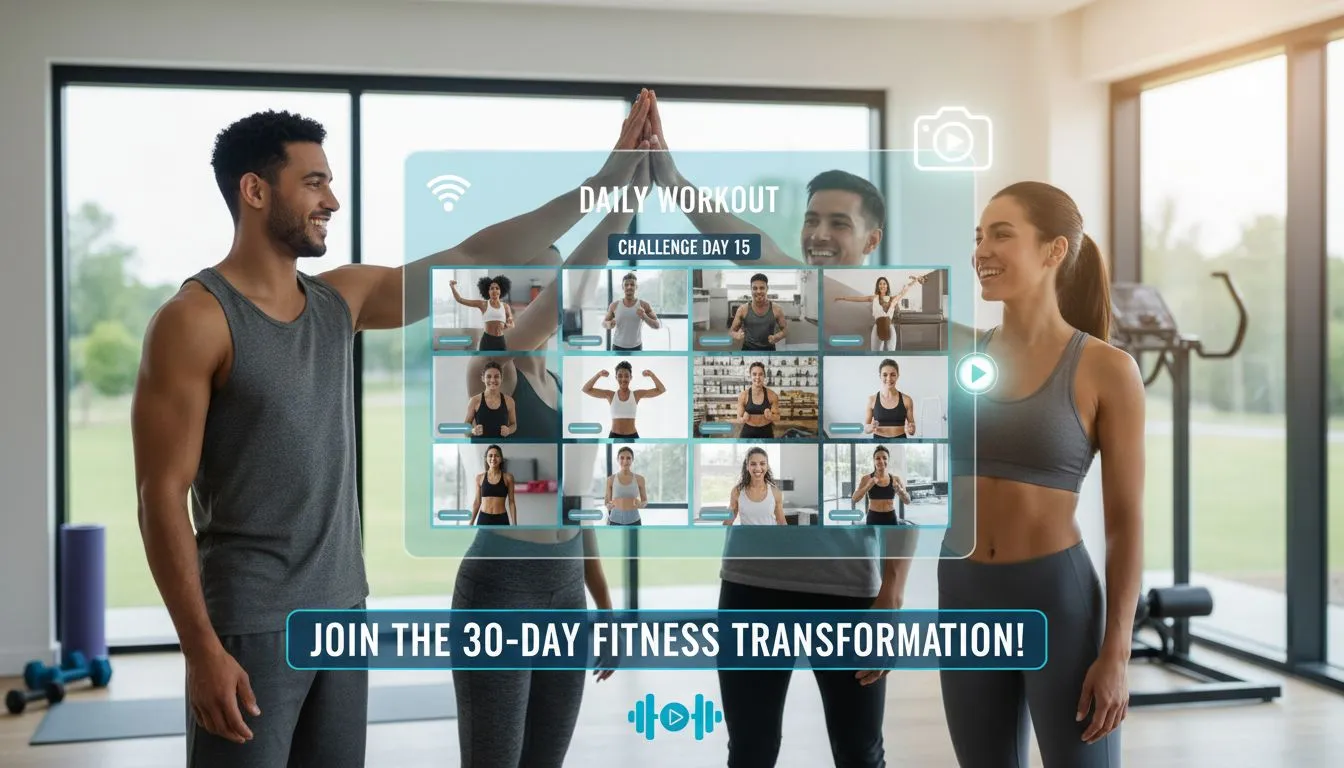
The Challenge Method
Run free 5-7 day challenges that deliver quick wins and build community.
Daily video challenges created with social media templates
Success Rate:
4
AI-Personalized Video Outreach
Send personalized video messages to potential students based on their interests.
Use AI to customize video templates for each prospect
Success Rate:

5
Micro-Content Strategy
Create 15-30 second educational clips from your course content for social media.
Repurpose course videos into bite-sized social content
Success Rate:
Video Marketing for Course Creators
Video is the most powerful tool for course marketing, with 17x higher engagement than text-based content.
course trailers
Length:
60-90 seconds
Purpose:
Generate excitement and preview transformation
Elements:
- • Hook with problem
- • Preview of solution
- • Student testimonial
- • Clear CTA

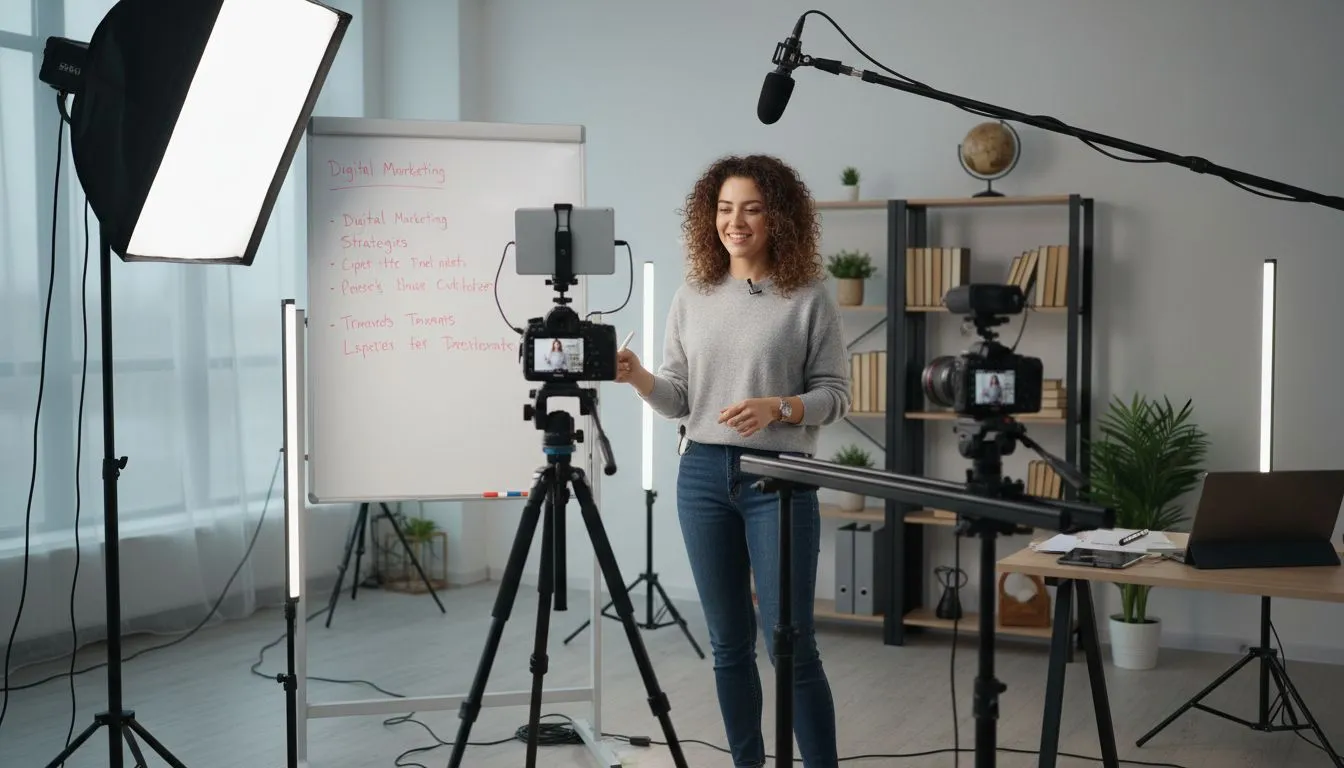
behind the scenes
Length:
30-60 seconds
Purpose:
Build personal connection and trust
Elements:
- • Course creation process
- • Your expertise
- • Student interactions
- • Authentic moments
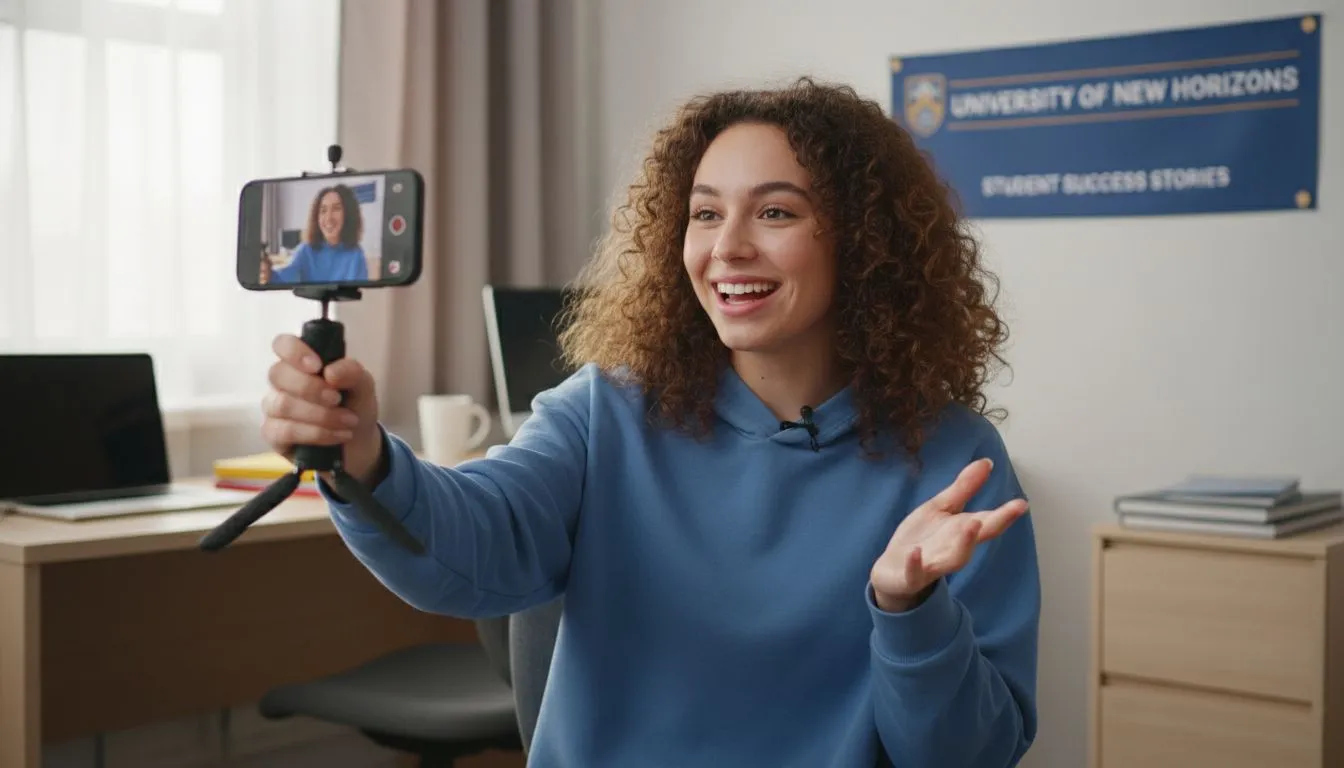
student testimonials
Length:
15-30 seconds
Purpose:
Social proof and credibility
Elements:
- • Specific results
- • Before/after
- • Recommendation
- • Course name mention
Building a Course Marketing Funnel
Successful course marketing requires a systematic approach to move prospects from awareness to enrollment.
awareness
Tactics:
- • Educational content marketing
- • SEO-optimized blog posts
- • YouTube tutorials
- • Podcast appearances
Metrics:
- • Website traffic
- • Video views
- • Social media reach
interest
Tactics:
- • Free valuable resources
- • Email courses
- • Webinars
- • Social media engagement
Metrics:
- • Email subscribers
- • Resource downloads
- • Time on site
decision
Tactics:
- • Course previews
- • Student testimonials
- • Live Q&A sessions
- • Limited-time offers
Metrics:
- • Course page visits
- • Email open rates
- • Webinar attendance
action
Tactics:
- • Urgency campaigns
- • Bonus offers
- • Payment plans
- • Personal consultations
Metrics:
- • Conversion rate
- • Cart abandonment
- • Revenue per student
Pricing and Positioning Strategies
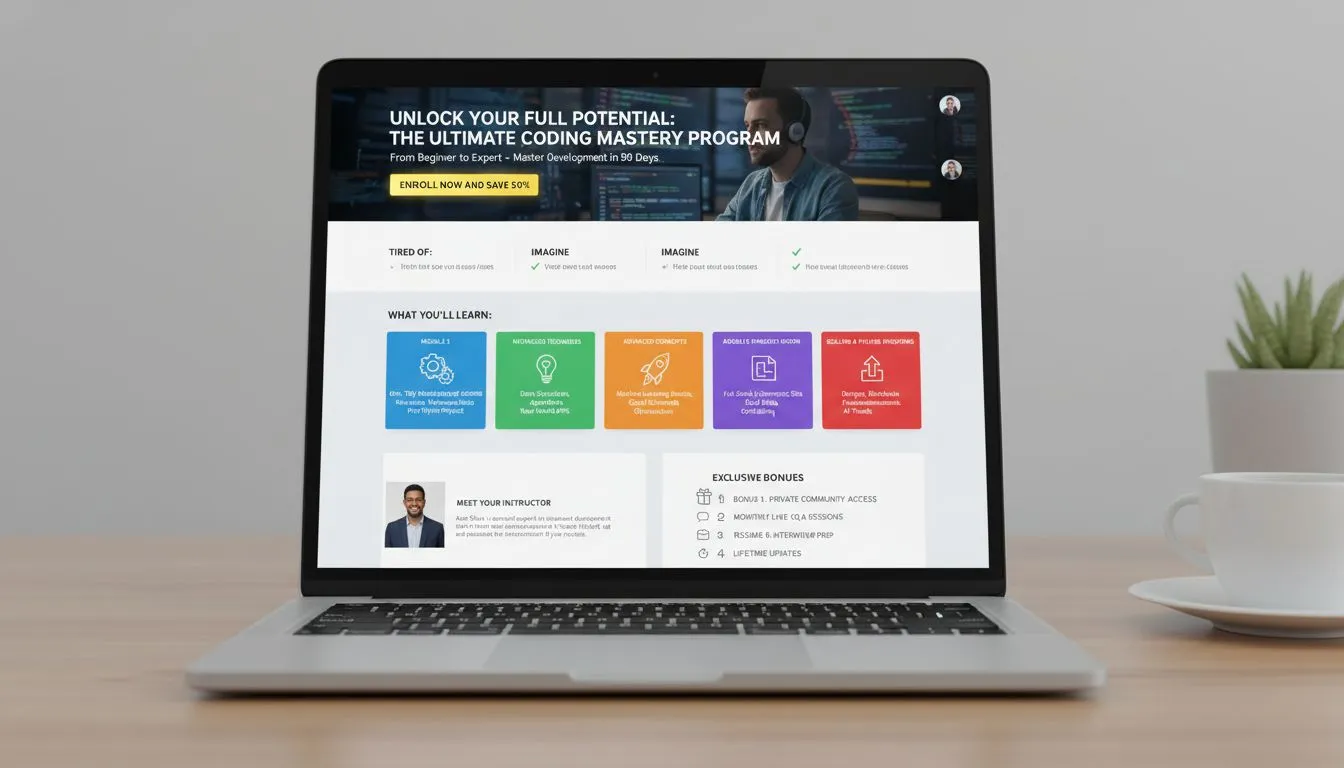
How you price and position your course affects every aspect of your marketing.
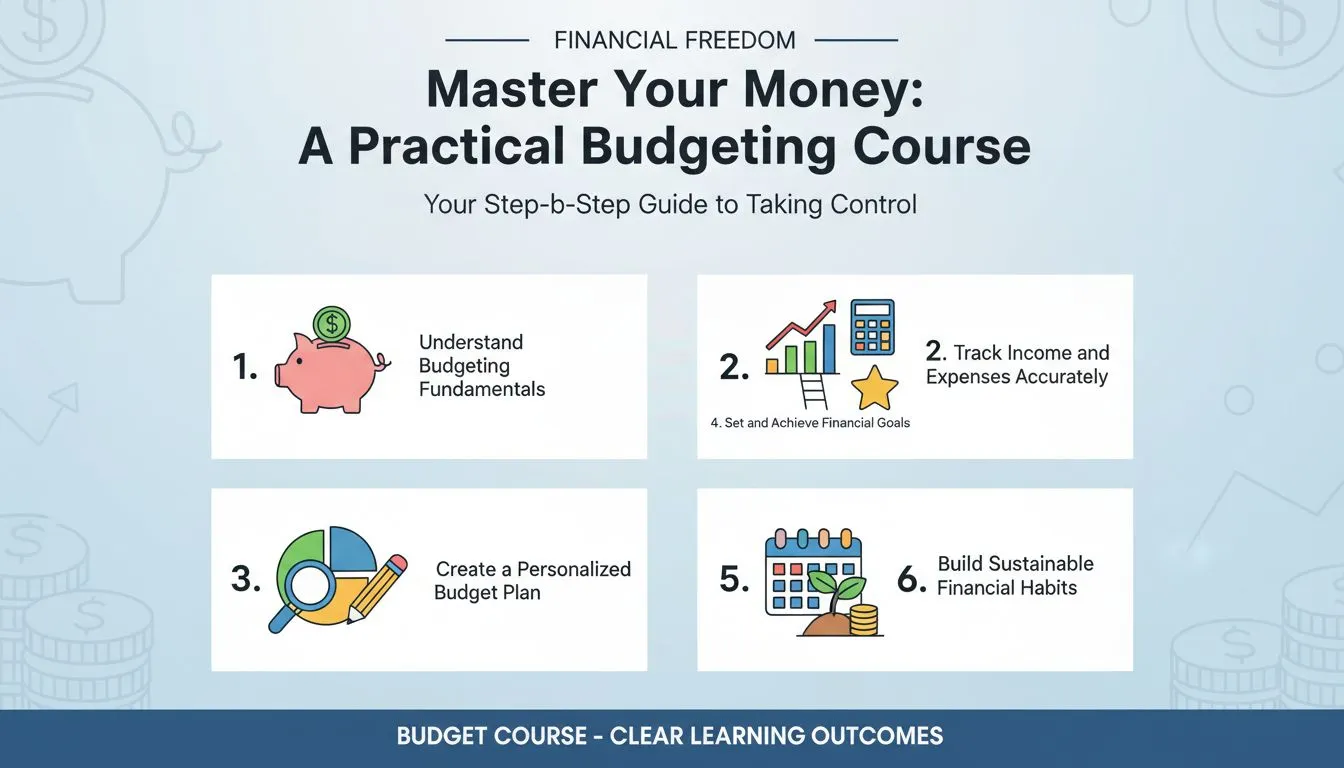
premium pricing
Range: $497-$1997
Positioning: Comprehensive transformation with personal support
Focus: ROI and life-changing results
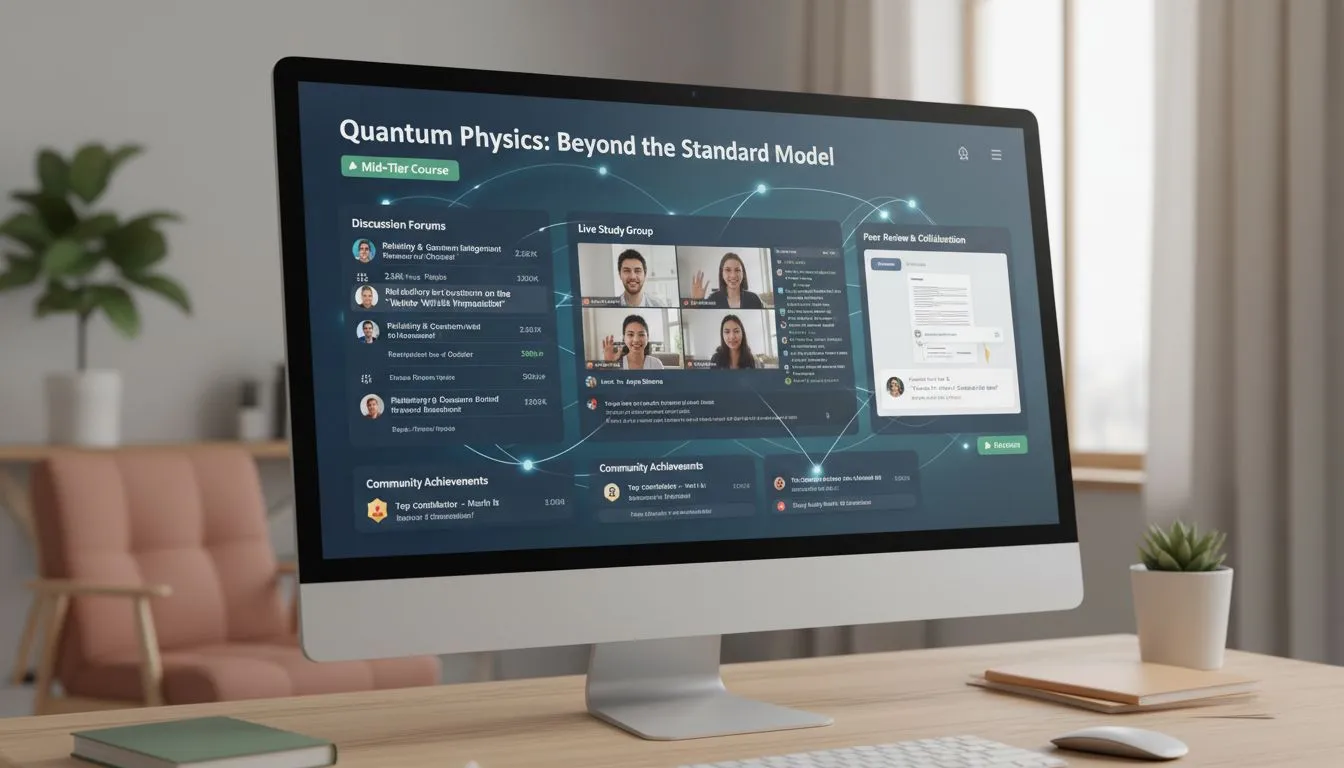
mid tier
Range: $97-$497
Positioning: Step-by-step system with community access
Focus: Practical outcomes and peer support
budget friendly
Range: $27-$97
Positioning: Quick wins and specific skill building
Focus: Immediate value and accessibility
Conclusion

Focus on consistency and clarity. Use simple videos to explain outcomes and invite the next step.
Frequently Asked Questions
What type of video content converts best for selling online courses?
Mini-lesson preview videos that deliver genuine value from the course tend to convert the highest because they demonstrate your teaching style and course quality directly. Student transformation stories and testimonial videos are also highly effective because they provide social proof of real outcomes.
How often should I post video content to market my online course?
A consistent schedule of three to five short-form videos per week on platforms like TikTok, Instagram Reels, or YouTube Shorts is more effective than sporadic high-production posts. Consistency builds audience trust and keeps your course visible during consideration cycles that can last weeks.
How do I price my online course effectively?
Pricing depends on the depth of transformation your course delivers, your audience's willingness to pay, and competitive positioning in your niche. Premium courses with personal support can justify $497 to $1,997, while focused skill-building courses work well at $27 to $97.
Can AI tools help me create course marketing videos?
Yes. AI video tools can generate multiple variations of promotional videos with different hooks, examples, or audience-specific language without re-recording. This allows course creators to test personalized messaging for different segments at a fraction of traditional production costs.
What is a video funnel for online courses?
A video funnel moves a prospect from awareness to enrollment through a sequence of video content at each stage. It starts with short social media videos for awareness, moves to a longer free training or webinar for consideration, and closes with a sales page video or personalized follow-up.
Related Articles
Ready to create?